
Chimpex-Port_view-wide

Chimpex boosts efficiency with Zitec’s scalable port solutions

7 to 1 min

Cargo truck processing time reduction

7.000+

trucks processed in under two months

33.000 tons

daily capacity optimized across 10 berths

The Overview

Chimpex operates 10 berths at the port of Constanța with a daily intake capacity of 33,000 tons and a storage capacity of 600,000 tons. Handling such volumes presents operational challenges, particularly in streamlining cargo flow and reducing bottlenecks. Due to these inefficiencies, Chimpex engaged Zitec to design and implement a digital transformation strategy aimed at improving agility, automating manual workflows, and boosting overall operational efficiency.

By replacing legacy systems with scalable, automated solutions, Chimpex has improved profitability and redefined the standards of efficiency for port operators in the Black Sea region.

As one of the largest port operators on the Black Sea, Chimpex has long been a key player in Romania’s maritime logistics. To maintain its market leadership, the company partnered with Zitec to modernize its operations through automation and digital transformation.

Together, we implemented solutions such as IoT integration, license plate recognition and a centralized planning module, that lead to upgraded workflows, no inefficiencies and a scalable backend system.

The Impact

The results of Chimpex’s digital transformation, which took only 9 months to take shape as an end-to-end solution, are tangible and far-reaching:

  • Automated workflows eliminated manual Excel files, saving time and reducing errors.
  • Truck processing times dropped from seven minutes to under one minute. This allowed for 7,000+ trucks to be handled in less than two months.
  • Top-notch automations allowed Chimpex to process higher volumes of cargo daily.
  • By automating repetitive tasks, employees could focus on high-value activities, which lead to operational improvements.
  • The new systems provide a foundation for scalable innovations. This also reduces dependency on outdated infrastructure.

From real-time IoT integrations to ERP-connected workflows, our journey is an example of technology that drives measurable results.

The Market

The maritime logistics sector is characterized by high complexity and fierce competition. Port operators face constant pressure to process shipments faster while minimizing costs and ensuring safety. In this context, automation and digitalization are essential for maintaining competitiveness.

Chimpex’s decision to embrace digital transformation is indicative of a broader industry trend. With cargo flows increasing annually, companies must adopt IoT solutions, real-time data processing, and ERP integrations to streamline operations and meet growing demands.

The Challenge
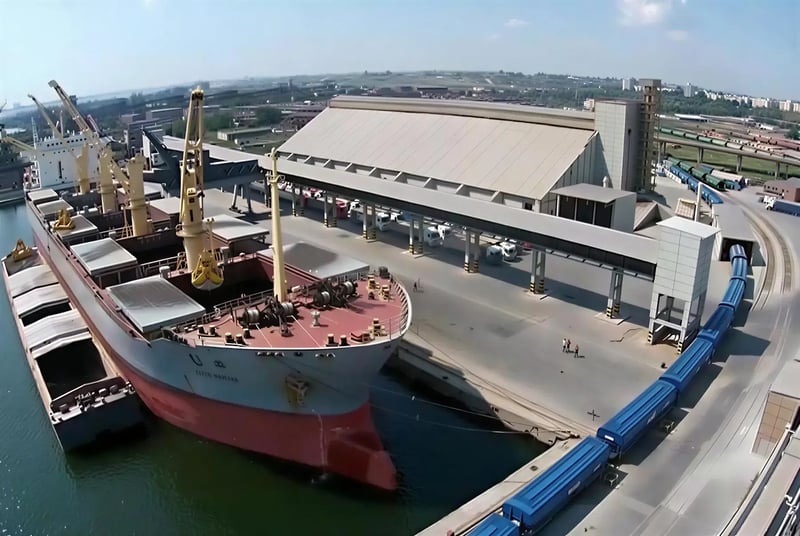
Chimpex-Constanța

Before partnering with Zitec, Chimpex encountered several operational inefficiencies that impeded productivity and profitability. These consisted of:

  • Manual workflows issues, with over 60 different Excel files requiring manual updates, which led to delays and inconsistencies in planning and reporting.


  • Truck processing delays, as Cargo trucks faced prolonged processing times, with unloading taking over seven minutes per shipment.


  • Legacy systems that lacked scalability, hindering Chimpex’s ability to adapt to growing demands.


  • Operational inefficiencies, which led to employees spending excessive time on repetitive tasks, detracting from higher-value activities.

To address these challenges, Chimpex required a comprehensive digital solution that integrated automation, real-time data processing, and scalable technologies.

The Solution

We collaborated with Chimpex to design and implement a multi-faceted digital transformation strategy tailored to port operations. This approach included:

IoT integration for real-time data processing

We developed an integrated IoT solution to manage the end-to-end loading and unloading processes. This system aggregates data from connected devices, which allows for real-time insights into cargo flows and reduces processing times significantly.

License plate recognition (LPR) for automation

To optimize truck entry and exit, we introduced a license plate recognition system linked to automated barriers. This eliminated manual checks, allowing frequent drivers to gain instant access and reducing delays caused by traditional workflows.

Centralized planning module

A bespoke planning module was developed to centralize Chimpex’s resource allocation and activity tracking. This module includes features such as:

  • Team rotation planning
  • Productivity computation
  • Real-time reporting

All of which replaced manual processes with a streamlined digital interface.

ERP integration for seamless data flow

Hardware assets like scales and card readers were integrated directly into Chimpex’s ERP system. This allowed for automated data capture during cargo weighing for accurate and timely information, all without manual input.

The Process

Chimpex’s digital transformation journey was guided by a methodical approach focused on automation, scalability, and collaboration. Here’s how it took place:

  • The project began with a thorough analysis of Chimpex’s legacy systems and manual workflows, which revealed bottlenecks and inefficiencies in truck processing times.
  • We then crafted a tailored digital strategy to modernize Chimpex’s operations. The plan focused on integrating IoT devices, automating manual processes, and developing user-friendly interfaces.
  • Real-time data processing was introduced through IoT-enabled scales and license plate recognition (LPR) systems to automated truck entry and weighing processes.
  • A centralized planning module was built to manage resource allocation, productivity tracking, and reporting.
  • The new systems were directly integrated with Chimpex’s ERP to reduce errors and ensure timely, accurate information flow across all operations.
  • Before full deployment, we conducted rigorous testing to guarantee system reliability and scalability.